
Ever wonder why casinos rarely lose? It’s all about the house edge – a built-in advantage that keeps the operator in the black no matter what.
Table of Contents
Mathematical Foundations of the House Edge Explained
Game Design Elements That Ensure Operator Profit
How Volatility Affects Player Outcomes Against the House
Misconceptions About Beating the House Edge
Long-Term Implications of the House Edge for Players
Mathematical Foundations of the House Edge Explained
The house edge is a percentage that shows how much the casino expects to keep from every bet over time. For example, European Roulette has a house edge of 2.7%, meaning the casino anticipates earning €2.70 on every €100 wagered. This figure comes from the difference between true odds and payout odds – the fundamental math behind each game.
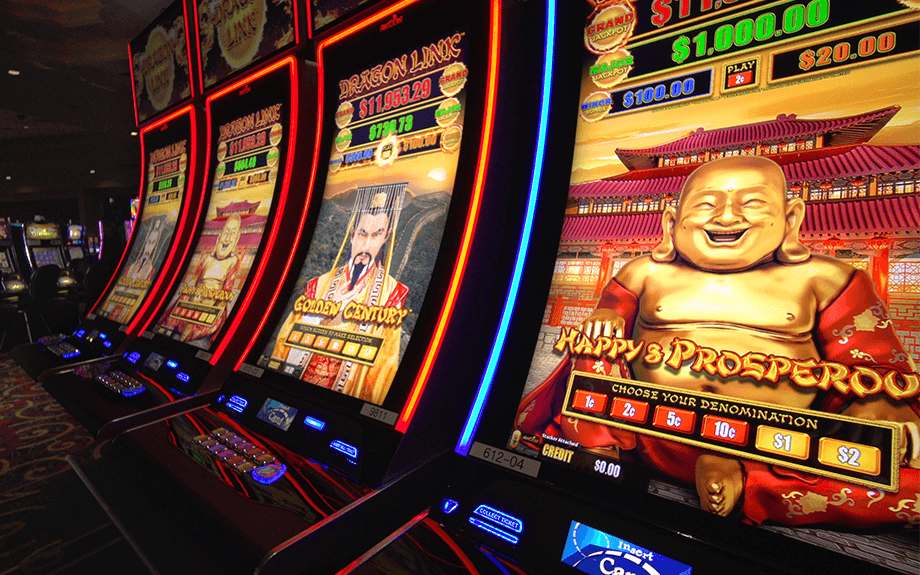
Take blackjack, where the house edge can be as low as 0.5% if you use perfect strategy. This means the game is relatively favorable to the player compared to slots like NetEnt’s Starburst, which has a fixed RTP of 96.09%, translating into a house edge of roughly 3.91%. Casinos like those regulated by the Malta Gaming Authority ensure these numbers are transparent, but the edge never disappears.
In essence, the house edge guarantees that the operator will profit in the long run. Even if you hit a few big wins, the math stacks against you over thousands of spins or hands.
Game Design Elements That Ensure Operator Profit
Casinos don’t just rely on math – game design plays a massive role in keeping the house ahead. Games from providers like Microgaming and Pragmatic Play are engineered with payout percentages that lean slightly towards the operator. For instance, slot titles like Big Bass Bonanza and Gates of Olympus have RTPs hovering around 95-96%, which sounds fair but ensures a steady casino income.
Table games such as European Roulette and Baccarat have fixed rules that favor the house, like the zero pocket in roulette which tilts odds. Plus, the speed of play and betting limits encourage more bets, increasing the casino’s edge over time.
And if you’re curious about licensing and regulation, casinos operating under licenses like the MGA have transparent processes but still maintain a built-in advantage. You can check out a list of trusted operators at https://mga-casinos.com/uk/. This ensures games are fair but doesn’t eliminate the house edge – it just guarantees you’re not being cheated.
How Volatility Affects Player Outcomes Against the House
Volatility, or variance, describes how frequently and how much a game pays out. High volatility slots like Yggdrasil’s Vikings Go Berzerk might reward you with big jackpots but rarely. Low volatility games like NetEnt’s Starburst pay smaller wins more often. Both types, however, still carry the same house edge in percentage terms.

This means volatility influences your experience but not the long-term odds. You might hit a lucky streak on a high-volatility slot, but the house edge ensures the casino wins overall. For table games, volatility varies less – blackjack and baccarat have more consistent outcomes but still favor the house through subtle rule advantages.
Understanding volatility helps you manage bankroll and expectations, but it won’t change the underlying math working against you.
Misconceptions About Beating the House Edge
Many believe they can outsmart the house with betting systems like Martingale or by exploiting insurance bets in blackjack. The truth? These strategies often increase risk without reducing the house edge. For example, insurance bets in blackjack might seem like a smart hedge, but the actual expected value is negative. You can discover more details on when insurance bets might be worth the risk – spoiler: it’s rare.
Some think card counting or tracking patterns can tip the balance. While card counting slightly reduces the house edge in blackjack, it requires skill, discipline, and often isn’t feasible online due to shuffled digital decks. Slot machines use random number generators, making pattern tracking ineffective.
So, the catch is that no betting system can overcome the mathematical built-in advantage. You’ll find that the house edge is designed to withstand all these attempts, ensuring the operator stays profitable.
| Game | House Edge | Volatility | Typical RTP |
|---|---|---|---|
| European Roulette | 2.7% | Low | 97.3% |
| Blackjack (Basic Strategy) | 0.5% | Medium | 99.5% |
| Starburst (NetEnt Slot) | 3.91% | Low | 96.09% |
| Gates of Olympus (Pragmatic Play Slot) | 4.5% | High | 95.5% |
| Big Bass Bonanza (Pragmatic Play Slot) | 4.5% | Medium | 95.5% |
Long-Term Implications of the House Edge for Players
Here’s the thing – the house edge means your bankroll will almost always shrink over time. Short-term wins are thrilling, but the longer you play, the more the edge chips away your funds. Casinos benefit from this because it keeps the lights on and the jackpots funded.
You can manage losses by choosing games with lower house edges, like blackjack or baccarat, and setting strict time or money limits. But don’t expect to beat the system consistently. The house edge is a quiet killer that only shows its teeth after thousands of bets.
Remember, playing should be about entertainment. Knowing the house edge helps you avoid chasing losses or falling for myths about guaranteed wins. Bankroll management and realistic expectations are your best allies against the inevitable pull of the operator’s advantage.
